

IT Equipment Recovery
What happens to your equipment
Everything we buy is assessed before anything is decided about it. Where there is useful life left, it goes back into use — refurbished, resold, or stripped for the parts that keep other machines running. Recycling is the last resort, not the first.
On Arrival
Nothing is decided until it has been looked at
Equipment does not get sorted into piles by how it looks on the pallet. Every item is checked individually first, because the checks below are what determine which of the four routes it takes and what it is worth.
Identification
Make, model and configuration are checked so the item is assessed on what it actually is, rather than on the label on the box.
Power and function
Does it start, hold charge, display, and pass a basic functional test. Plenty of equipment described as broken turns out to have a flat battery or a failed charger.
Storage
Whether the unit still holds a drive, a memory card or any other storage. Anything that does is flagged for the data process before it goes any further.
Condition
Cosmetic and structural damage, missing components, wear on hinges, keyboards and screens. Condition decides which of the four routes below is realistic.
Repairability
Whether a fault is economic to put right, and whether the parts to do it are available. A cheap fault on a sought-after model is worth fixing; the same fault on a dead platform is not.
Demand
Whether there is a buyer for that model in that condition. A machine nobody wants is not worth refurbishing, however well it works.
What we find is checked against what was described. An offer made from a list is made on the strength of that list, so what arrives is checked against what was described. Anything that does not match is raised with you before it affects the figure.

The Four Outcomes
Recycling is the last resort, not the first
Every item is placed on the highest route it can realistically take. We only move down the list when the route above it has been ruled out — and each step down is worth less, to you as well as to us.
- Refurbish
- Resell
- Parts
- Recycle
Left to right: most value recovered to least. An item only moves right when the option to its left is genuinely not available.

First choice
Refurbish it and put it back into service
Most business equipment is retired long before it stops being useful. A three or four year old laptop coming off a refresh cycle is usually a perfectly good machine that has simply reached the end of someone's replacement policy. Where there is useful life left, the work goes into getting the unit back to a clean, working, saleable state.
- Cleaned inside and out, and any fault diagnosed rather than guessed at
- Consumable and commonly failing parts replaced where it is worth doing — batteries, keyboards, screens, fans, drives
- Tested again once the work is finished, so the next user gets a machine that has been proven rather than assumed

Second
Resell it, so working hardware stays in use
Refurbished equipment is only worth anything if somebody buys it, and buyers come back when the grading is honest. Equipment is described as it is, faults and cosmetic marks included, so a machine sold as working is working and a machine sold as marked is marked.
- Graded on condition, with the wear described rather than photographed around
- Sold on as a working unit wherever the equipment supports it
- Storage is identified and dealt with before a unit is offered to anyone
Third
Recover the parts when the unit cannot be saved
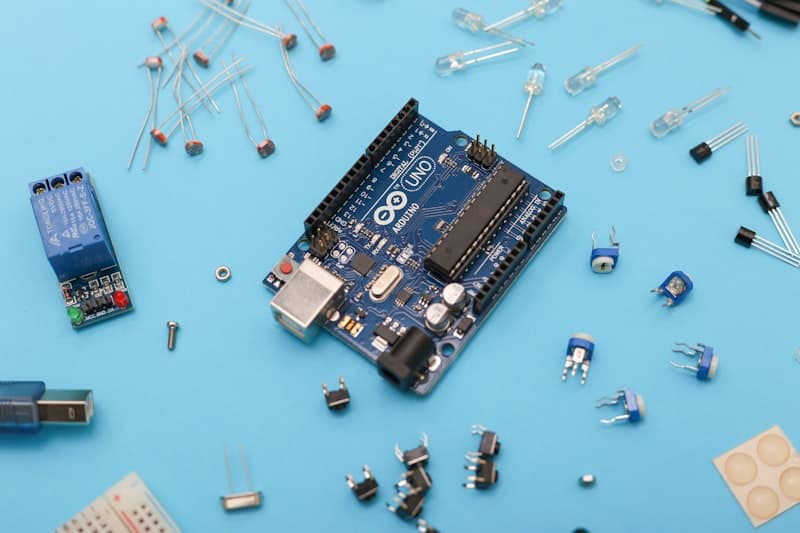
Some units are not worth repairing. A cracked chassis, a failed board, or a model old enough that nobody is buying it. That does not make the whole thing scrap — the parts inside it are often the same parts needed to repair the next machine that comes through the door.
- Memory, processors, drives, screens, batteries, power supplies and cabling recovered and kept as stock
- Recovered components go into repairing other equipment, which keeps those machines out of the recycling route as well
- Storage removed from a unit is still storage, so it is handled as data-bearing in exactly the same way
Last resort
Recycle only what genuinely has nothing left to give
What is left at this point is material rather than equipment: units with nothing serviceable in them, and the parts that could not be reused. Those are passed on for recycling rather than disposal. This is the smallest of the four routes by intent, and it is where an item goes when the three above it have been ruled out.
- Reached only after refurbishment, resale and parts recovery have all been considered
- Handled as a recycling route, not a disposal route — the aim is to recover the material
- Anything data-bearing is dealt with before it reaches this stage
If your own compliance process needs to see who handles this final stage, ask us at enquiry stage and we will set out what we can in writing rather than in a claim on a web page.
Order Of Work
The data step comes before anything else
Refurbishment, resale and parts recovery all sit behind the same gate. An item does not get cleaned up for sale, and it does not get broken down for components, until the storage inside it has been dealt with in the way agreed with you.
A drive pulled out of a machine that is being stripped for parts is still a drive. Parts recovery is not an exception to this.
Booked in
Equipment is checked in as it arrives against what was agreed, so what came off your site and what is in front of us match.
Storage identified
Drives and other storage media are identified during assessment and separated from equipment that holds nothing. Where we are not certain, we check rather than assume.
Data dealt with
Data-bearing items are handled in the way agreed with you — erased, or physically destroyed. That is settled before the item joins any of the four routes above.
Released for recovery
Only once the agreed data step on an item is complete does it move on to be refurbished, resold, stripped for parts or recycled.
The method used on your equipment and the records issued afterwards are agreed with you before any work starts. Those are set out on the data wiping page rather than summarised here, so there is only ever one version of them.
Why It Matters To You
Recovering value is what funds the price we pay
This is not an environmental page dressed up as a commercial one. The two arguments happen to be the same argument: the more of your equipment we can keep in use, the more there is to pay you for it.
- Value is what funds the offer
- The price we can pay comes from what the equipment is worth once it has been through this process. A laptop that can be refurbished and resold is worth considerably more than the same laptop stripped for parts, which in turn is worth more than the materials inside it. The higher up the ladder an item can go, the more there is to pay you with.
- Why detail changes the number
- Model, specification, condition and quantity are what decide which route an item can realistically take. That is why we ask for them, and why a vague list produces a vague offer. The more accurately the equipment is described, the closer the initial figure will be to the final one.
- Why faulty equipment is still worth listing
- A machine that will not power on may still hold a saleable processor, memory, screen and battery, and those parts may be exactly what is needed to repair something else. Do not filter your list down to the items you think are worth something — that judgement is the part we are supposed to be doing.
- Why we would rather refurbish than recycle
- Recycling recovers material. Refurbishment recovers equipment, and equipment is worth more than the metal in it. Our commercial interest and the environmental argument point in the same direction here, which is the honest reason recycling sits at the bottom of the list rather than the top.
Send us the awkward items as well as the good ones. Deciding what is worth recovering is the job. Equipment you have written off is frequently the equipment that turns out to be useful.
Straight Answers
What we will tell you, and what we will not claim
Recycling is an area where confident-sounding numbers are easy to write and almost impossible to check. We would rather answer your questions properly than decorate this page with figures nobody can stand behind.
What we will tell you
- Which of the four routes we expect your equipment to take, and why
- What we checked at assessment, and what we found
- What we are able to tell you about the final stage of the process, and who is involved in it
- What happens to equipment we cannot reuse — ask us before you commit to a collection
What we will not claim
- A landfill-diversion or recycling percentage — we will not publish a figure we cannot evidence for your equipment
- A carbon or CO₂ saving, for the same reason
- A certification, accreditation or registration we cannot put the paperwork for in front of you
If a supplier questionnaire asks us for any of the above, it gets answered with what we can actually evidence at the time, which is the only version of that answer worth having.
Questions
What people ask about recovery
The questions that come up once someone has thought about where their equipment actually ends up. If yours is not here, call and ask.
What if my equipment turns out to be worthless?
It happens. Some models have no resale value, no useful parts left and nothing in them anyone is looking for. If that is what the assessment finds, we will tell you plainly rather than quietly folding it into a lower figure for everything else.
Whether we are still able to take those items away with the rest of a collection depends on what they are and how many there are, so ask when you send your list and we will confirm the position before anything is arranged.
Can I get a record of what happened to my equipment?
Tell us what your internal, audit or insurer requirements are at the point you enquire, and we will confirm what we are able to provide against them before you commit to anything. It is a far better conversation to have in advance than after the van has gone.
Where equipment held data, the records covering that side of the work are agreed at the same time. See data wiping for how that part is handled.
Do you export equipment overseas?
Ask us before you commit to a collection and we will tell you what happens to your equipment. Export is a question with legal consequences attached, so it is not one we are going to answer with a reassuring sentence on a web page.
If you need a written condition that your equipment stays within the UK, raise it at enquiry stage so it can be agreed before collection rather than argued about afterwards.
How much of what you collect actually gets reused?
We are not going to give you a percentage. Any figure worth quoting has to be measured and evidenced, and a number invented for a web page is worth nothing to you or to your auditors. What we can tell you is the order the four routes are considered in, which is set out in full above, and what happened to a specific consignment if you ask us about it.
Who does the actual recycling?
The final recycling stage is the end of a chain, and a responsible answer names the people in it rather than gesturing at the idea. If your procurement or compliance process needs that detail, along with the registrations behind it, ask for it in writing at enquiry stage and we will provide what applies to your collection.
Can I insist that nothing is resold?
Some organisations require it, usually for reasons that have more to do with the data than the hardware. Raise it before collection, because it changes which routes the equipment can take and therefore what it is worth.
Want to know what happens to yours?
Tell us what you have and we will assess it, tell you which route it is likely to take, and make you an offer for what we are able to buy.